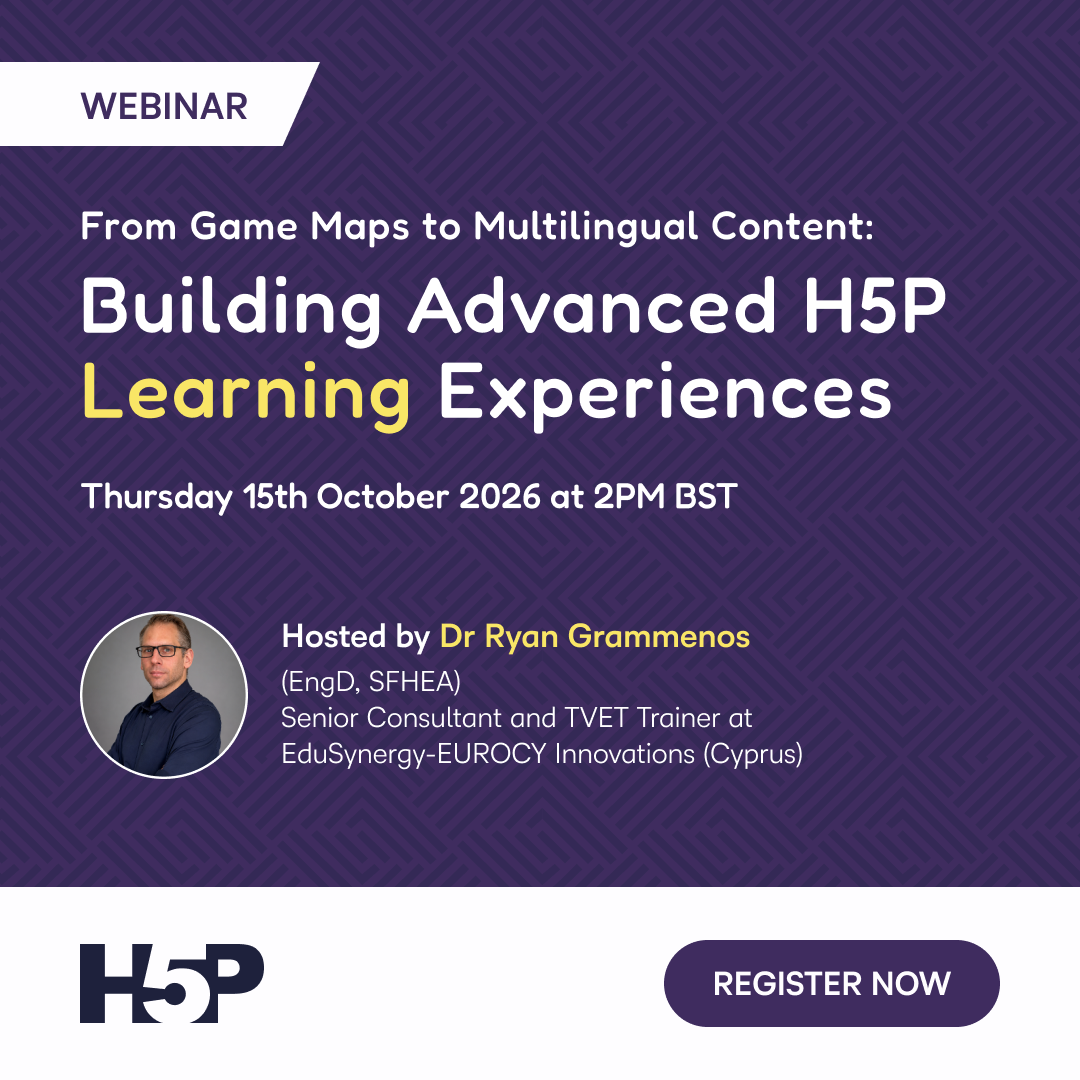
On Thursday 15th October 2026, Dr Ryan Grammenos will deliver a live webinar hosted by H5P.com on Building Advanced H5P Learning Experiences. The session starts at 16:00 EEST (2:00 pm BST) and is free to attend. Full session details are available on the EduSynergy training page.
News
Stay informed about upcoming HRDA-subsidised seminars, new course launches, and EduSynergy training initiatives across AI, accessibility, IoT, and digital skills.
Browse the latest announcements and insights from EduSynergy. Click any article card to read the full story.
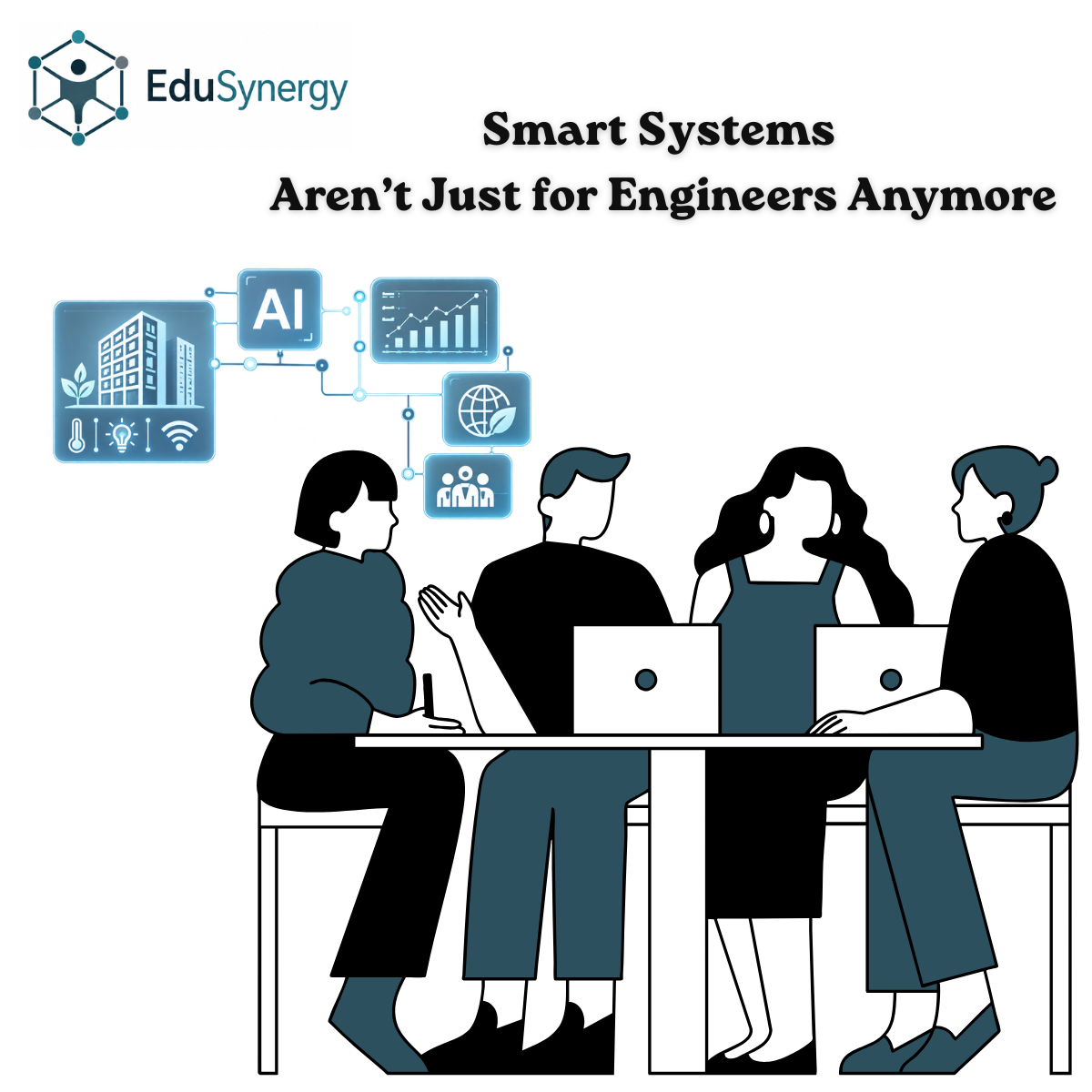 Smart systems are becoming part of everyday professional life and recent changes in European AI policy underline a point that is easy to overlook: understanding these technologies is no longer relevant only to engineers and technical specialists.
 The way people learn is changing. As technology continues to reshape the workplace and everyday life, learning is no longer limited to a classroom, a scheduled workshop or a traditional training session. People increasingly expect learning to be flexible, accessible, engaging and relevant to their individual needs.
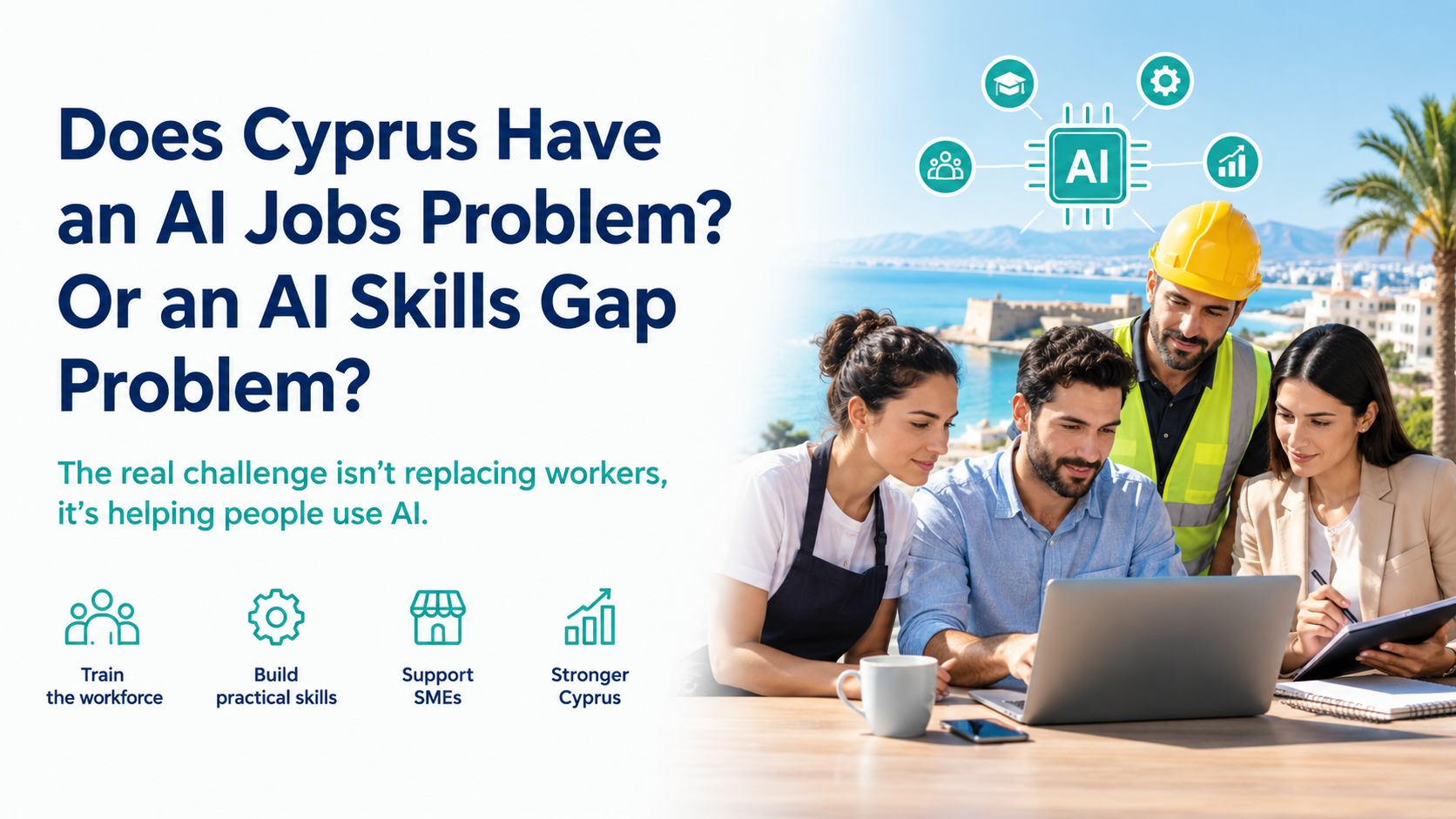 August 2026 marked roughly the seventieth (70th) summer since a small group of around ten researchers gathered at Dartmouth College in New Hampshire for what they called the Dartmouth Summer Research Project on AI. It was there that the term "artificial intelligence" was first put on paper. 70 years on and in places like Cyprus, the demand isn't for AI engineers; but for people who can use AI-adjacent tools competently in the roles they already hold.
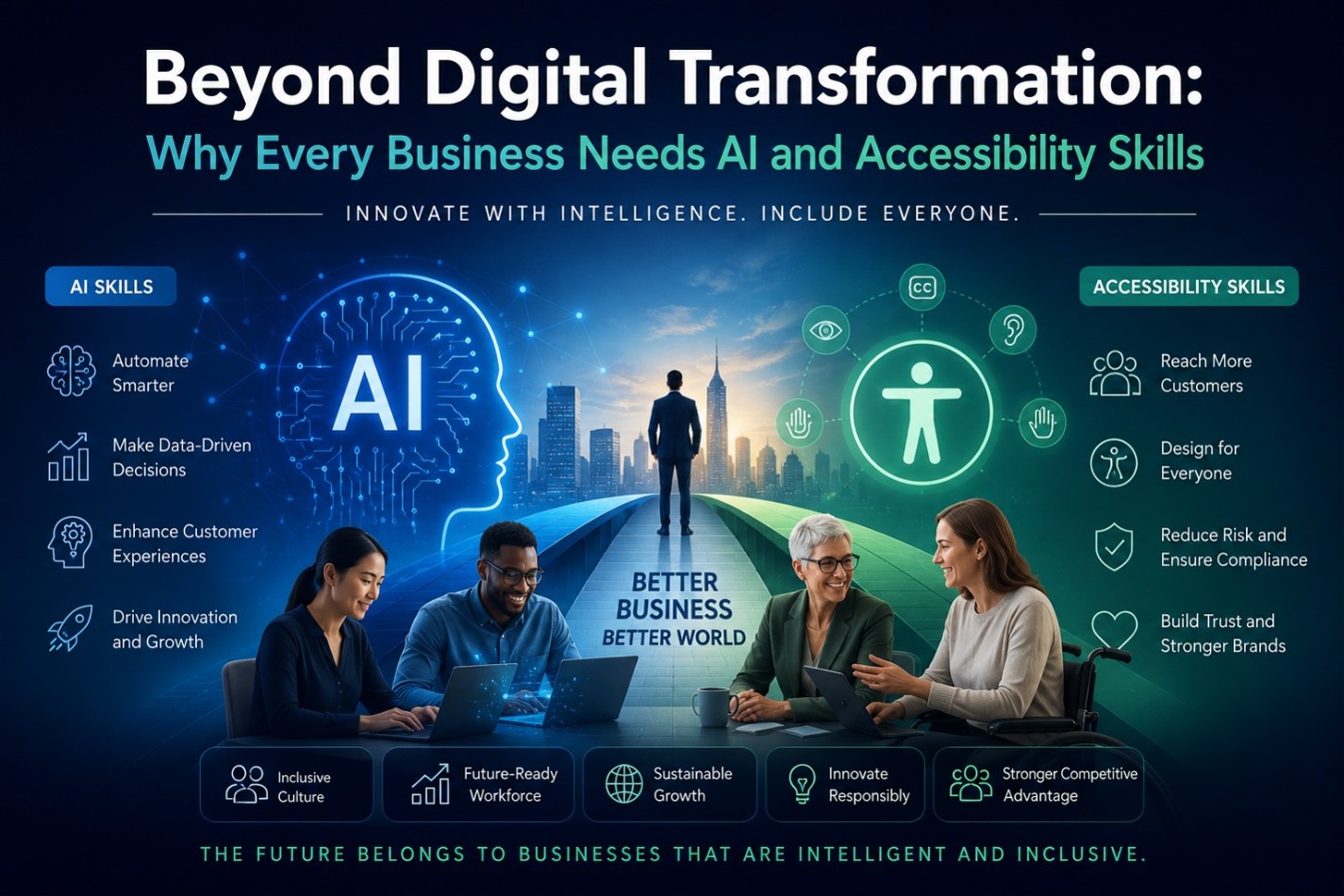 Artificial intelligence (AI) is transforming how organizations operate, while accessibility is reshaping how they design products, services, and experiences. Although these two fields are often discussed separately, they are becoming increasingly interconnected. Together, they represent two of the most important skill areas for businesses that want to remain competitive, innovative, and customer-focused.
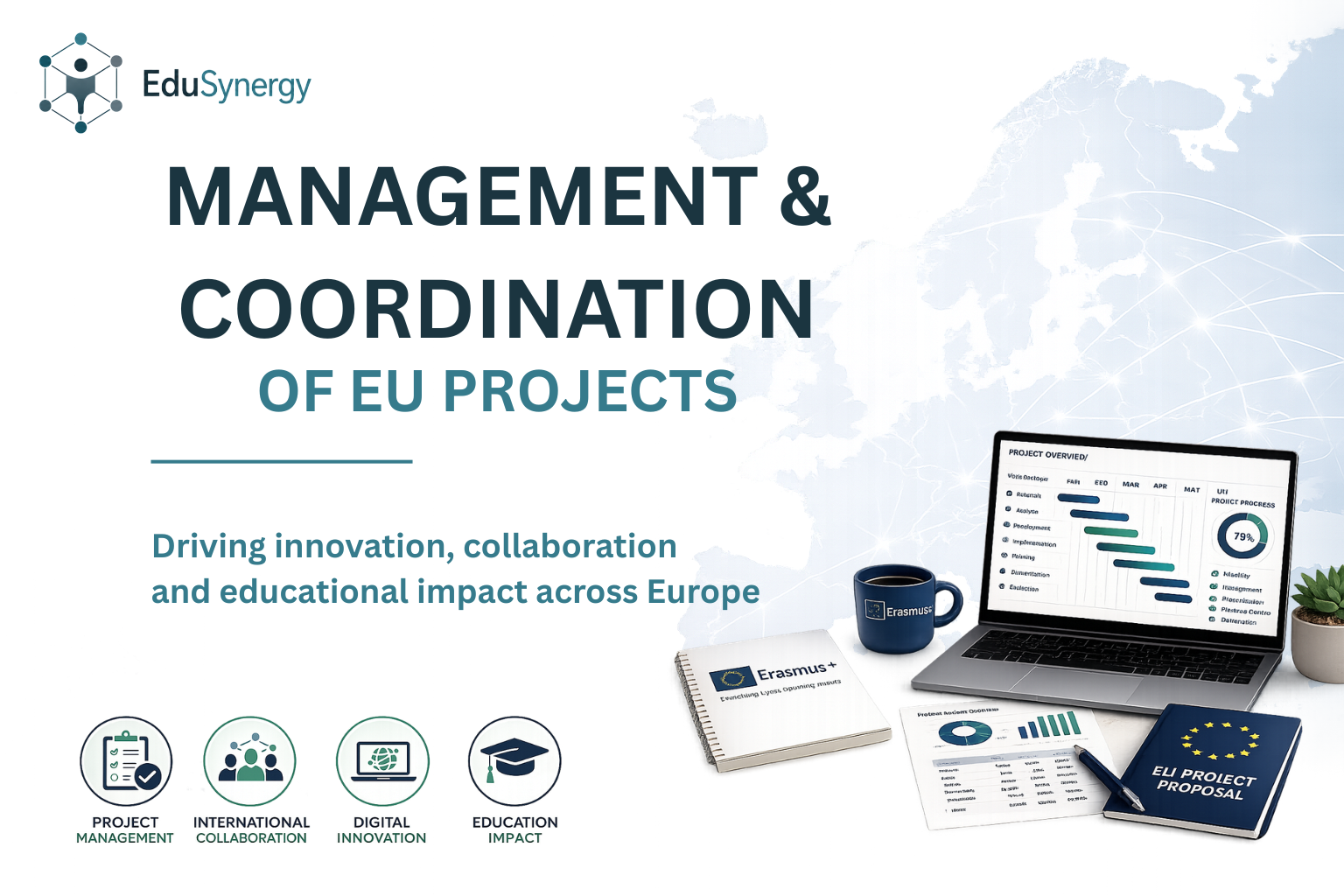 EU-funded projects have become a driving force for innovation, collaboration and knowledge exchange in the education sector. Programmes such as Erasmus+ enable schools, universities, non-profit organisations and research institutions to work together across borders, creating opportunities that improve learning experiences and strengthen international cooperation. However, behind every successful project lies effective management and coordination.
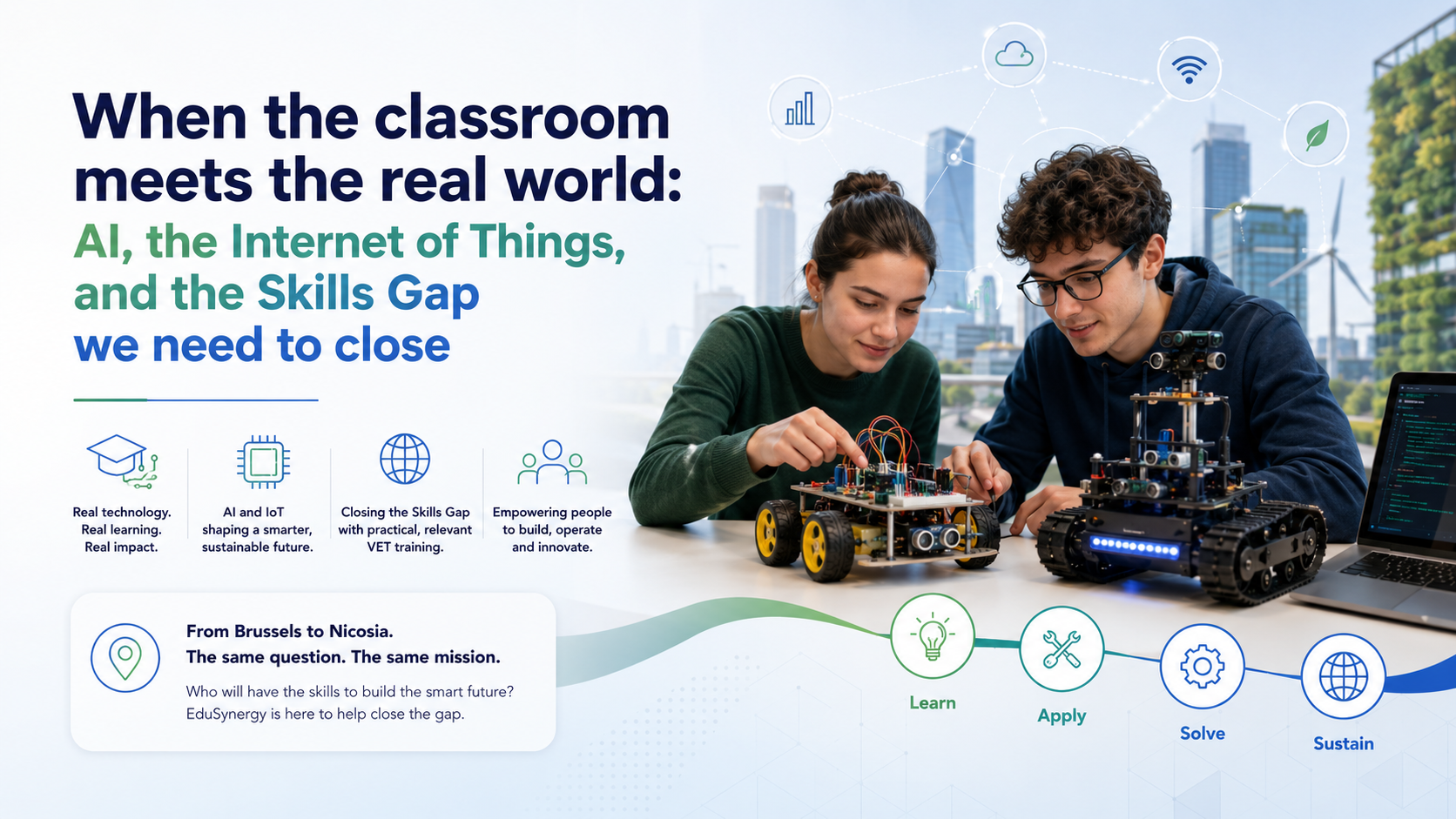 On 25 June 2026, a hybrid event on "Teaching with AI: New Ideas for Sustainable VET," hosted in Brussels as part of the AI & Sustainability in VET Education (AI-SAVES) project took place. The event brought together teachers, trainers, and VET organisations from across Europe to share what happened when real AI and electronics kits were placed in the hands of students.
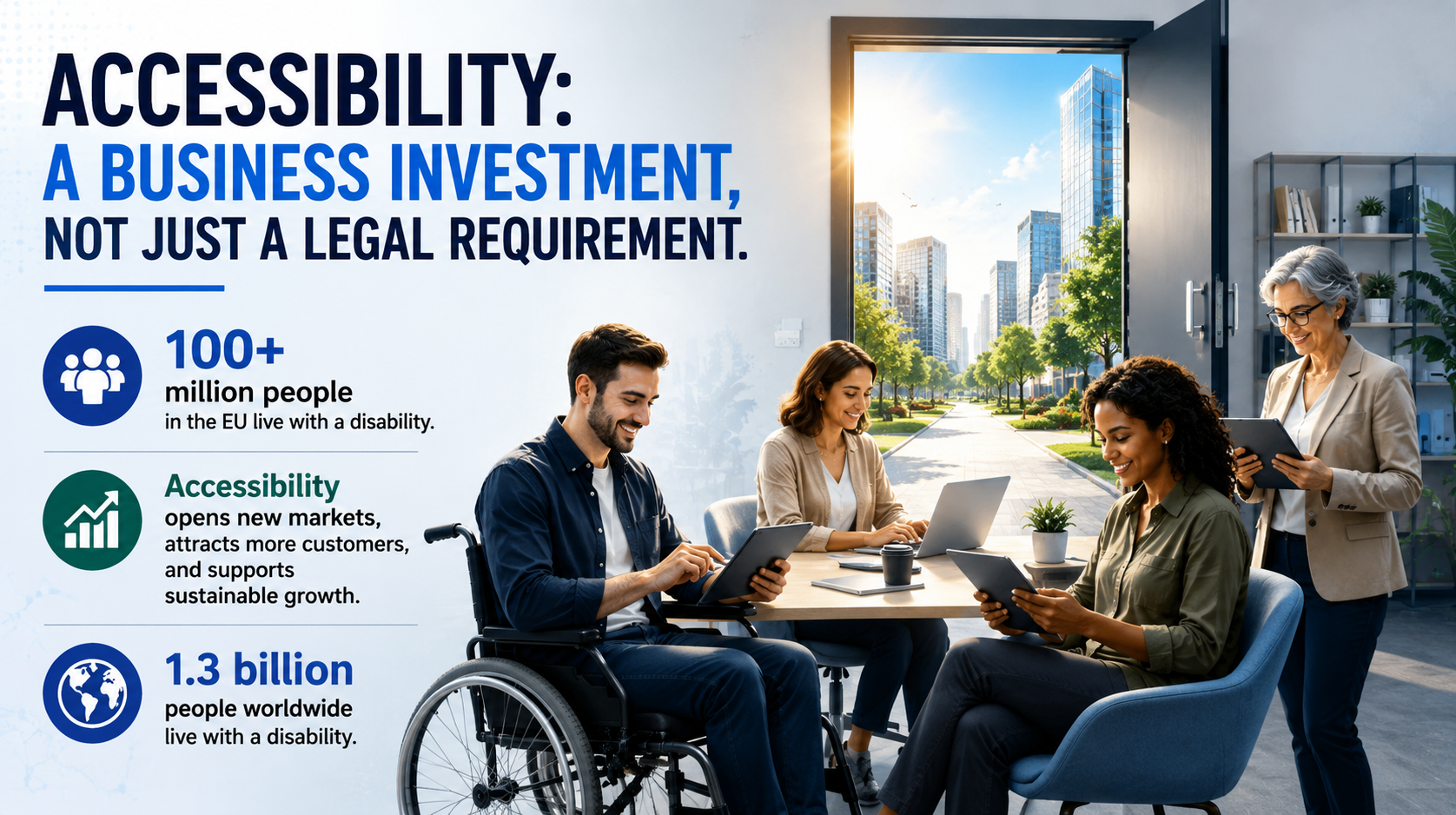 When businesses think about accessibility, they often focus on compliance with the European Accessibility Act (EAA). However, the real business case is much broader. Investing in accessibility enables organisations to reach new customer segments, improve user experience, strengthen their brand, and compete in both European and international markets.
 Over the past couple of years, we have had the opportunity to deliver AI and IoT training to professionals across a wide range of organisations in Cyprus including business managers, public sector employees, educators, finance professionals, and technical staff. These sessions have taught us as much as we hope they have taught participants. Here is what we have observed...
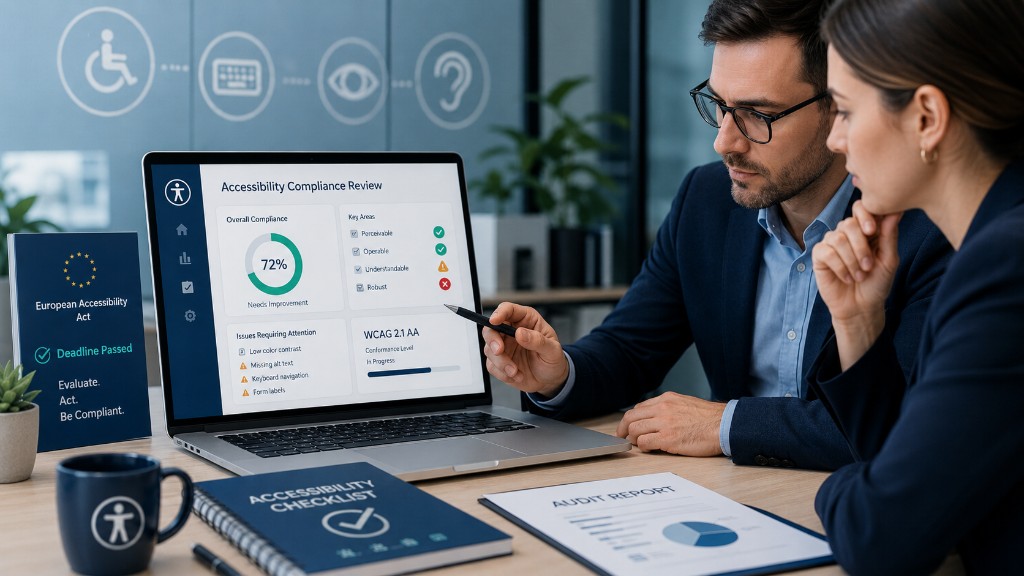 On 28 June 2025, the European Accessibility Act (EAA) came into force across all EU member states, including Cyprus. For businesses that were paying close attention, this was the culmination of a six-year legislative process that began when the directive was first approved in 2019. For many others, it passed without much notice. A year on, the question worth asking is: where does your organisation actually stand?